
Having just talked about our plum trees, it seemed the right time to segue into the rest of our fruit tree collection. Unlike the plums, which went unnoticed for the first few years, the apple trees were impossible to miss. They are all large, mature trees growing in clear areas with little to obstruct one’s view of them. We often use them as landmarks when we’re trying to explain where something is on the property.
One of the main reasons I wanted to buy a home with more history was the high likelihood of mature apple trees being in the garden. You know what they say about fruit trees — the best time to plant one is 10 years ago. The next best time is today. Or better yet, just move somewhere where someone else planted them more than 10 years ago.

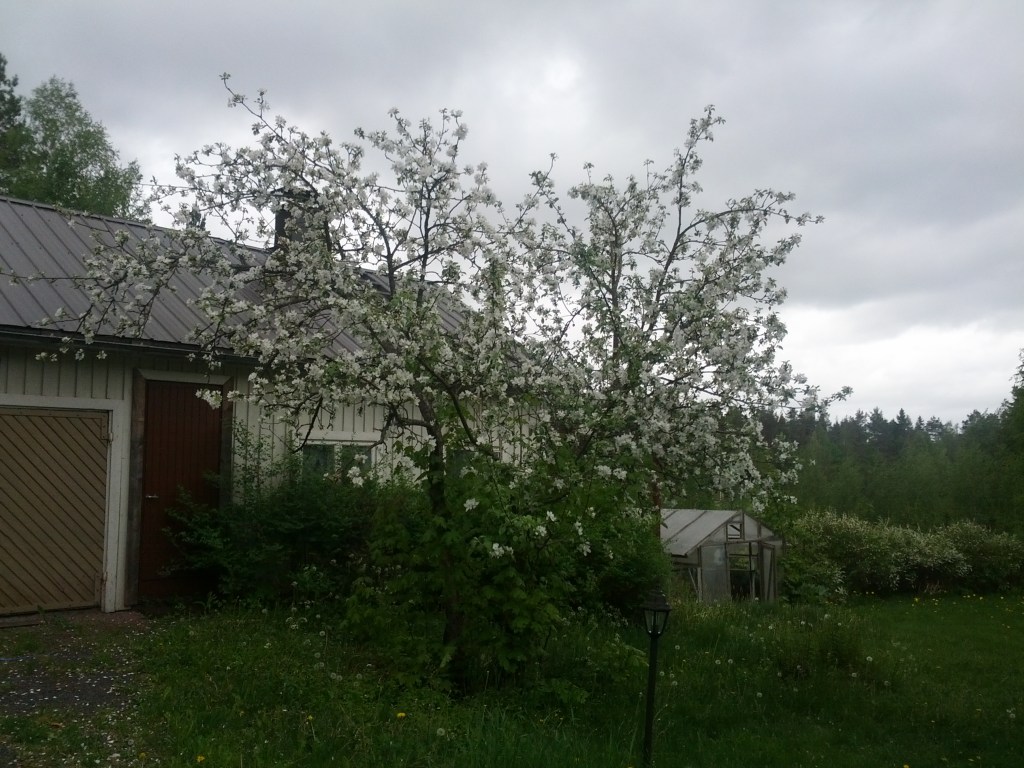
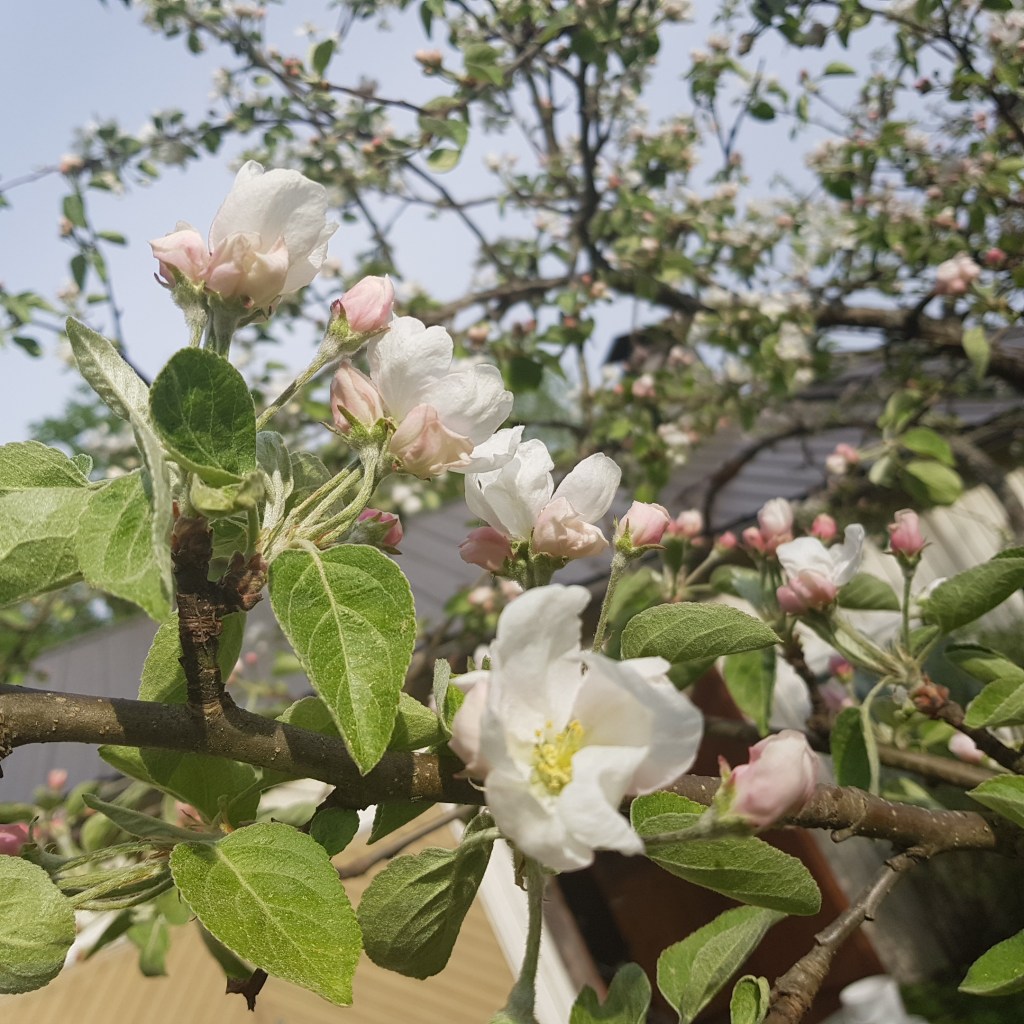


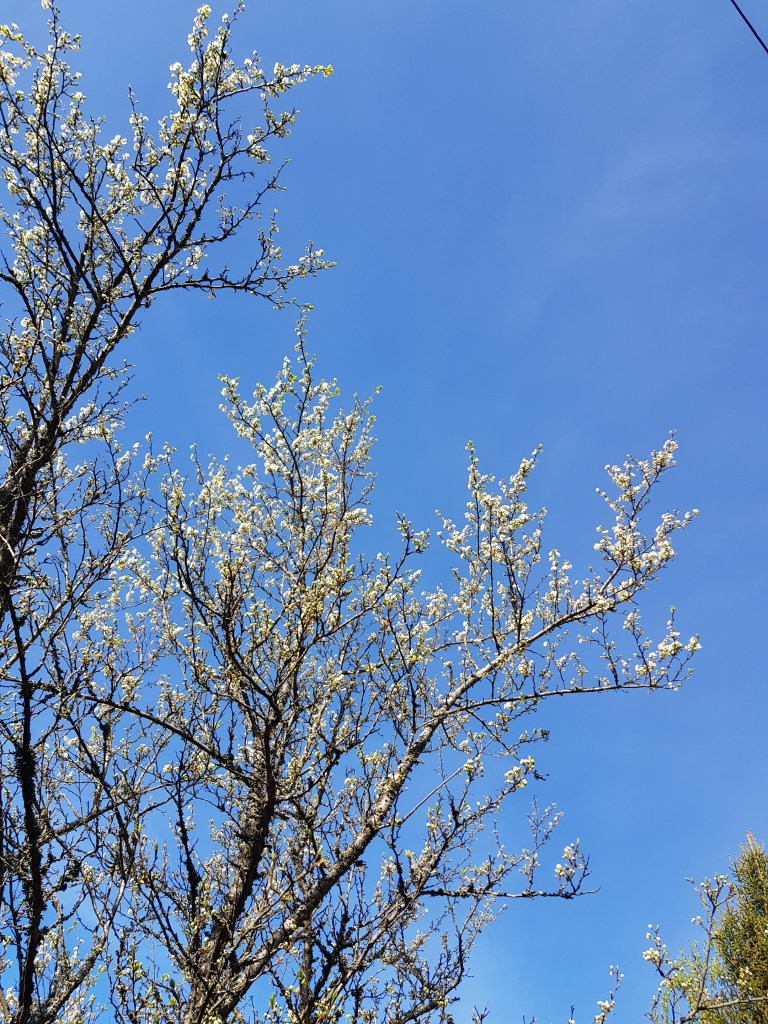
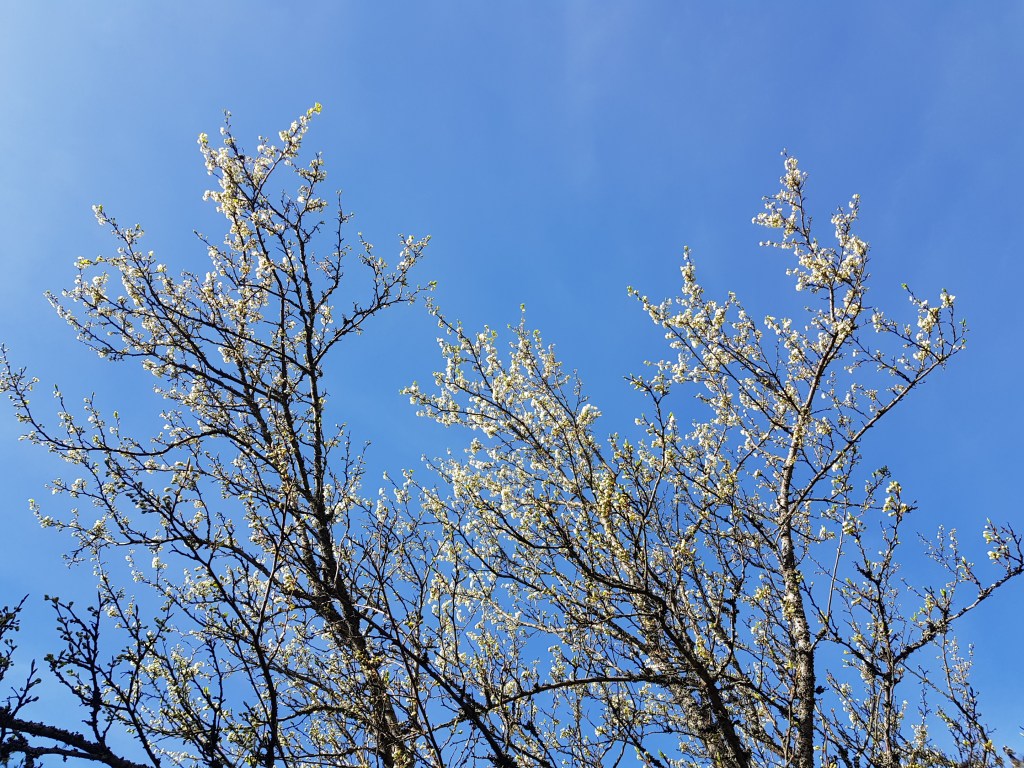
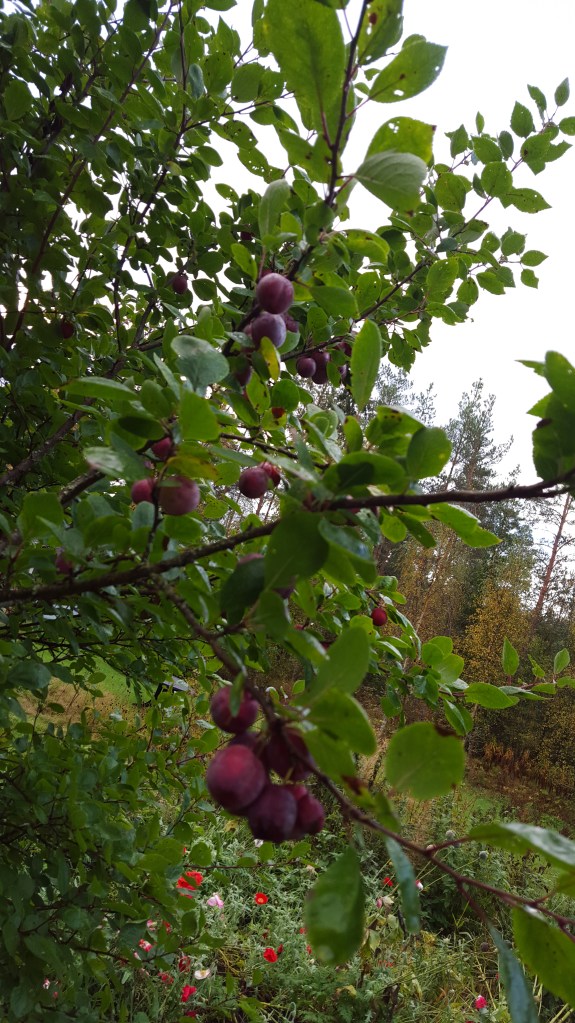
This particular tree is a cultivar called Malus domestica ‘White Transparent’ (omena ‘Valkea kuulas’), also known as ‘Yellow Transparent’ in North America. It was very popular across Europe in the 19th century and is still sold in some nurseries today. Its main claim to fame is being a very early variety that will provide ripe fruit by the tail end of summer in most places. This makes it especially nice to combine with the many soft fruits and berries that are usually ready to harvest around the same time.
The tree, like most of the other heirloom plant varieties in our garden, was planted in the 1950s. By all accounts, it should be nearing the end of its lifespan (50-80 years). It doesn’t seem to have realized this and has provided us with a glut of apples almost every year that we’ve been here. We only recently started learning how to prune fruit trees and thin fruit, so I am hoping to help it stay in good form for another few decades.



We usually start picking the apples when the first few turn pale yellow to creamy white. We eat those right away since they don’t last long when that ripe. The greener ones can sit in boxes awaiting processing for up to a week. The fruit is juicy, with a nice balance of sweet and tart that you don’t find in most supermarket apples.
Apples are useful for such a wide variety of recipes that I doubt I’ll remember all the ways I’ve cooked them over the years! I bought an apple coring and peeling gadget and a steam juicer specifically to get through the glut more efficiently — one season of doing everything by hand was more than enough.
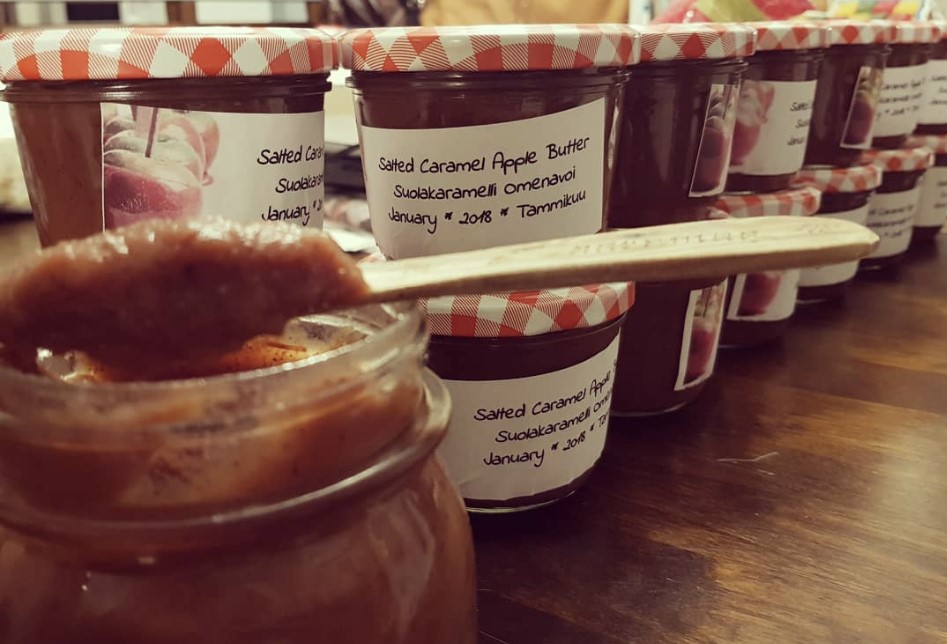
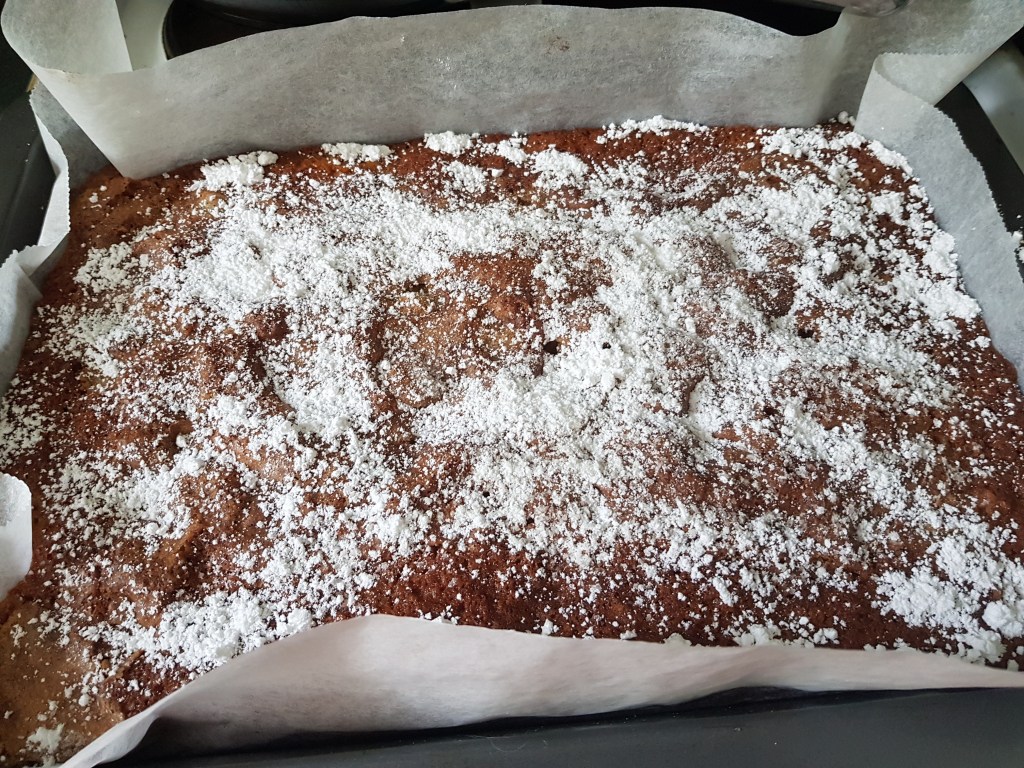
About 3/4 of the apples are peeled, cored, then run through the steam juicer. The white flesh of these apples makes a beautiful clear golden juice that is easy to mix with other drinks. The remaining pulp is made into applesauce, apple butter, and apple leather. A good portion of the apples are also sliced and frozen for use in baked desserts such as apple pies, apple crisps, and apple brownies. I just saw a video on how to make apple cider vinegar, so it looks like I will even have a use for the cores and peels this year as well!
Final count:
- Malus domestica ‘White Transparent’ – 1 elderly but productive tree






































 Little Blue and White House